Spotlight on Breast Cancer Awareness
October is Breast Cancer Awareness Month, a time to raise awareness about this serious global health problem and the ways women can take an active role in their breast health.
This year in the United States, it is estimated that more than 316,000 women will receive a new breast cancer diagnosis. During their lifetimes, nearly 13 percent of women in the US are expected to be diagnosed with breast cancer. Fortunately, women can take steps to help protect their breast health and catch breast cancer in its earliest stages, when it is more likely to be treated successfully.
As part of our commitment to women’s health, Health Edco has a wide selection of women’s breast health education materials and models in our
women’s health section that are ideal resources to teach women about their breast health, breast self-awareness, and warning signs of breast cancer to help catch breast cancer early.
Fact No. 1: Breast Cancer Risk Increases With Higher Levels of Alcohol Consumption.
Alcohol use is associated with multiple types of cancer, including female breast cancer. The risk of breast cancer increases with higher levels of alcohol consumption. In 2019, more than 16% of female breast cancer cases diagnosed in the US were estimated to be related to alcohol use.
Alcohol is thought to cause cancer in several ways. For example, hormones, such as estrogen, can be affected by alcohol consumption. Estrogen plays a key role in the growth and development of breast tissue, and altering estrogen levels may affect cell growth.
Alcohol use may also contribute to female breast cancer and other forms of cancer by harming the body’s DNA. Consuming alcohol can cause oxidative stress, which can damage healthy cells’ DNA and cause inflammation. Alcohol consumption may also hinder the body’s ability to absorb nutrients that help protect cells and reduce inflammation, such as vitamins A, B6, C, D, and K. These vitamins assist in the process of synthesizing and repairing DNA. In addition, alcohol contains ethanol, which breaks down into a known cancer-causing agent called acetaldehyde. Acetaldehyde damages DNA and hinders the ability of cells to repair this damage, promoting the development of cancerous cells.
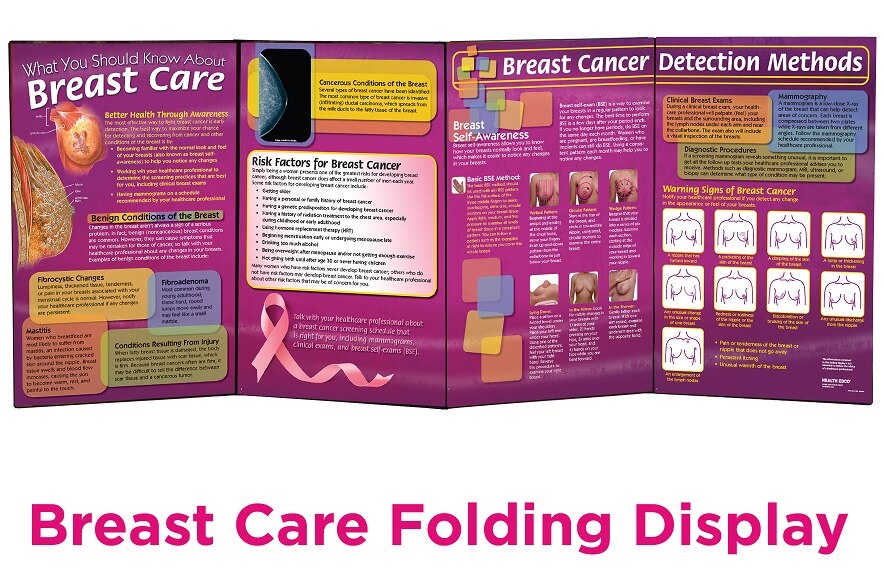
Women who drink alcohol should talk to their healthcare professionals about how alcohol may increase their risk for breast cancer. Our
Breast Care Folding Display is just one of our breast health materials that highlights alcohol consumption as well as other risk factors for breast cancer.
Fact No. 2: Gaining Excess Body Weight in Adulthood Increases Breast Cancer Risk After Menopause.
After a woman goes through menopause, most of her estrogen comes from fat tissue instead of from the ovaries as it did prior to menopause. Increased levels of estrogen resulting from more fat tissue can increase breast cancer risk in women after menopause. Extra body weight can also increase blood insulin levels, which may increase the risk of breast cancer.
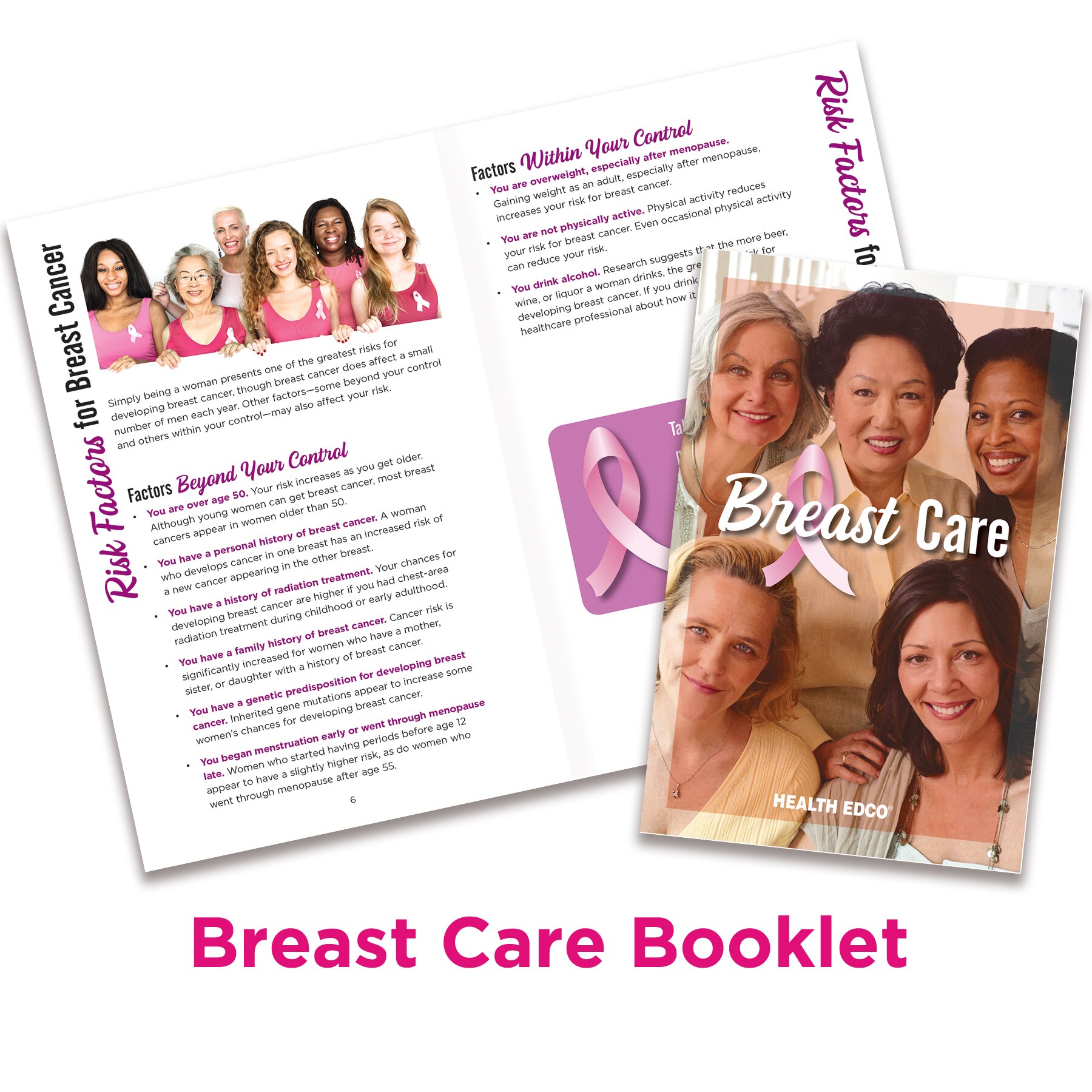
Maintaining a healthy weight and being physically active can help a woman reduce her breast cancer risk. Our
Breast Care Booklet discusses the importance of these factors as well as other essential aspects of women’s breast health.
Fact No. 3: Breastfeeding Can Reduce Breast Cancer Risk.
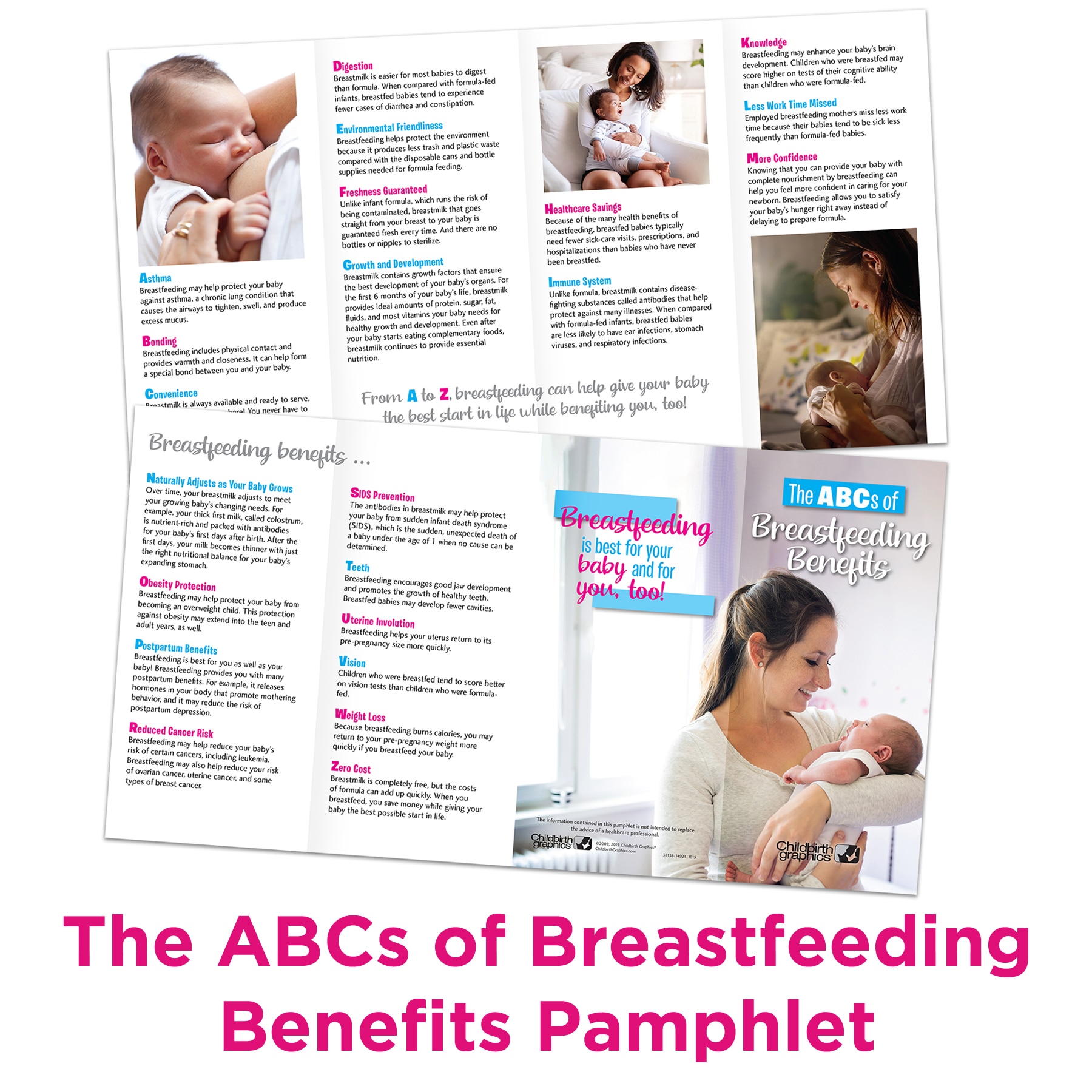
Research suggest that breastfeeding her children may lower a woman’s risk for breast cancer, especially if she spends a year or longer of her lifetime breastfeeding (either with one child or as a cumulative amount of time with more than one child). Breastfeeding causes hormonal changes in a mother that may delay the return of her menstrual cycle and reduce her lifetime exposure to estrogen and other hormones that may increase the risk of breast cancer. Breastfeeding may also help protect cells from mutations that can lead to breast cancer.
Fact No. 4: Most Cases of Breast Cancer Are Not Hereditary.
Inherited gene mutations, including BRCA1 or BRCA2, can increase the risk of developing breast cancer among both women and men. However, these gene mutations are thought to account for no more than 10 percent of all breast cancer cases. Genetic tests are sometimes performed for people in families with a high incidence of cancer. Because the risk of breast cancer increases for women as they age, age is the strongest risk factor for breast cancer. Among women in the US, female breast cancer is more commonly diagnosed between the ages of 55 and 64. The median age of diagnosis is about 62.
Fact No. 5: Health Edco’s BSE Models Are Perfect for Breast Self-Awareness.
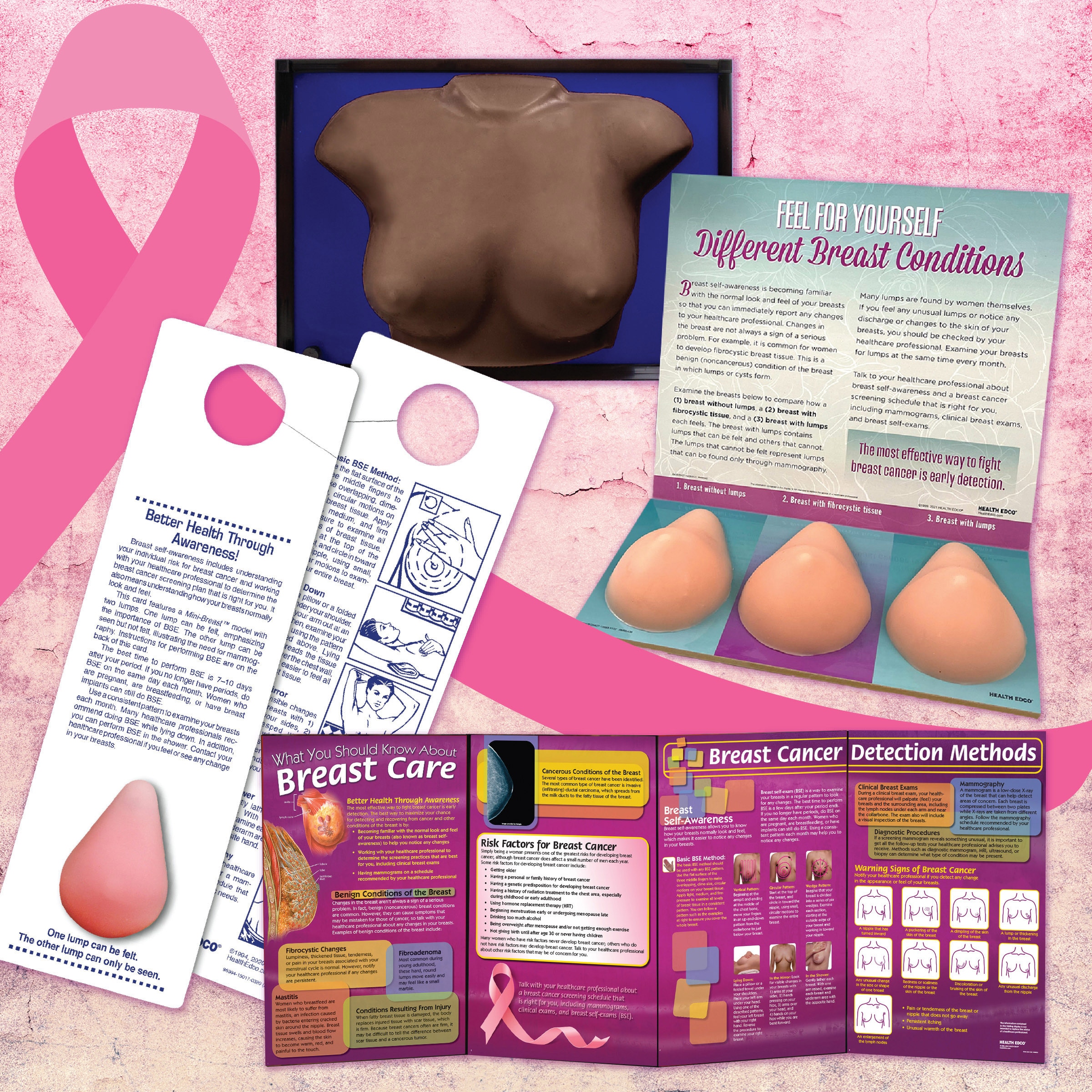
In 1975, Health Edco’s founder, Dr. Wayman R. Spence, introduced our first breast self-exam (BSE) model made of BIOLIKE™, a unique polymer that feels like human skin. Since then, our lifelike BSE models have been used to train thousands of women in breast self-exam, which can play an essential part in breast self-awareness for the early detection of breast cancer.
Our lifelike BSE models are ideal teaching tools for the performance of breast self-exam using the basic BSE method with the vertical, circular, or wedge pattern. The models contain palpable lumps that can be felt during the performance of BSE as well as non-palpable lumps to emphasize the importance of mammography.
For example, our
Standard BSE Model Kit features one beige and one brown Standard BSE Model. A lump location key details the location of palpable and non-palpable lumps (included to underscore why mammography matters). Each breast model comes with a slipcover, facilitating repeated use of the models. The kit also includes a penlight to view non-palpable lumps, a
Breast Care Booklet, and a convenient carrying case.
Available in
pink,
beige, or
brown, our Mini-Breast Models are great giveaways for breast cancer awareness. Each Mini-Breast Model contains a palpable and a non-palpable lump. The included lump location key and
BSE Mini Pocket Guide encourage women to become familiar with the normal look and feel of their breasts as a part of breast self-awareness so they can report any changes to their healthcare professional.
The information contained in this newsletter is not intended to replace the advice of a healthcare professional.
©2025 Health Edco®